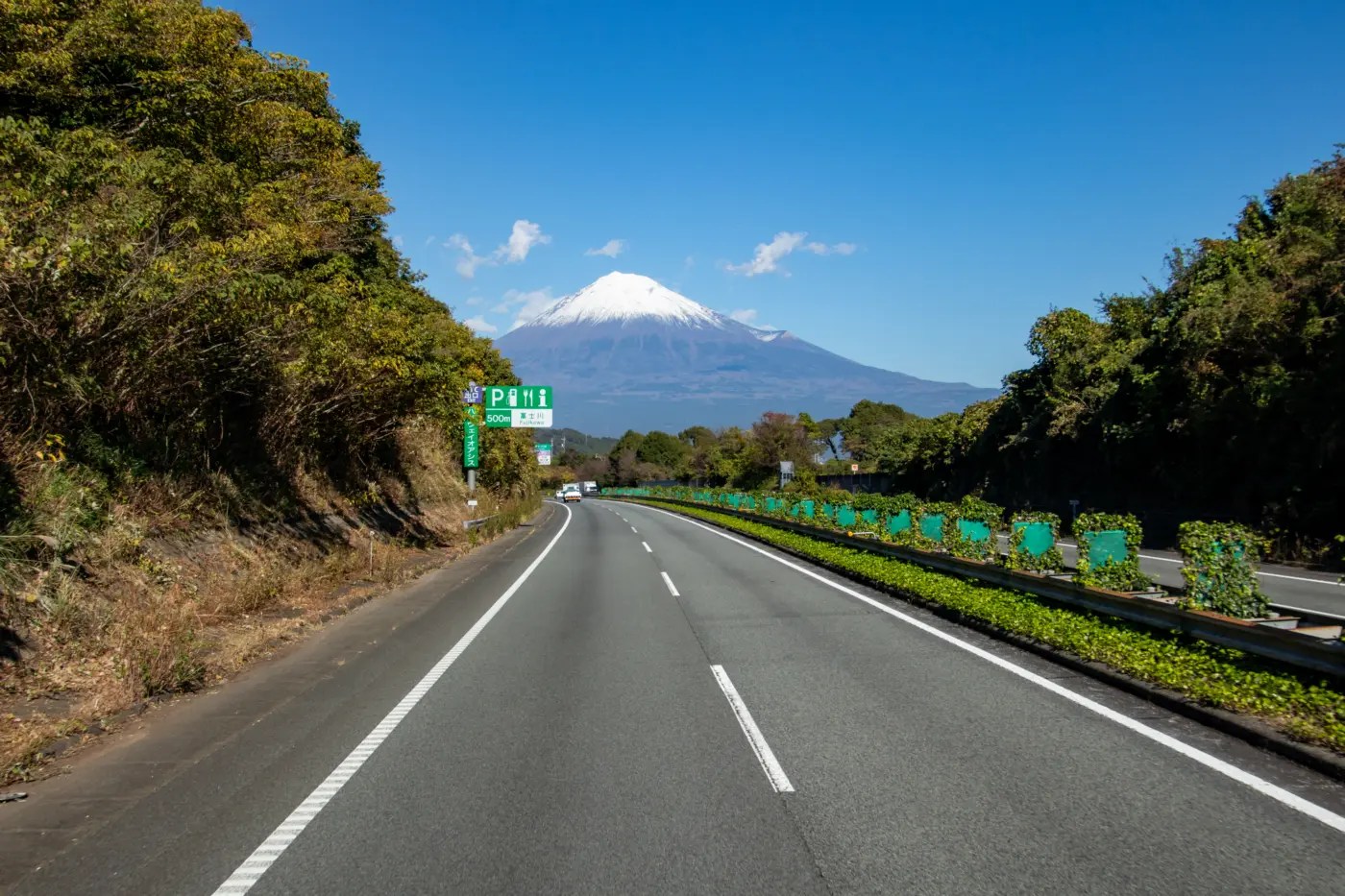
I landed in Tokyo with that familiar post – flight brain fog – the one where your legs move but your thoughts are still circling somewhere over Siberia. Instead of fighting my way onto a train with a suitcase and a half-broken umbrella, I went straight for the keys. I’d booked my rental at the airport through Car Rental Scanner, mostly because I wanted to compare options in one place and not play “guess the hidden fee” at the counter.
In the first ten minutes behind the wheel, Japan did what it always does – it made me feel both slightly clueless and completely safe. The lane markings were crisp, the signage was generous, and even the traffic seemed polite. I rolled out of the airport area humming with nervous energy, telling myself not to overthink the left-side driving, and not to miss the turn that would send me into a different prefecture before breakfast.
This is the kind of road trip that looks small on a map but feels huge in your senses: neon Tokyo slipping into mountain switchbacks, roadside vending machines that appear like little miracles, and quiet streets where the only sound is your own footsteps and a distant bicycle bell. Seven days, one car, and a route that hits the greatest hits without turning into a checklist.
Before I Turned the Key: A Few Small Moves That Saved Me Later
Japan is easy to drive in, but it rewards a bit of preparation. Not the obsessive kind – more like the “put your charger in the top pocket, not the bottom of the bag” kind. If you’re used to chaotic parking and vague rules, Japan feels like someone finally wrote the manual and then followed it.
At the rental desk, I asked for the basics that make life smoother: an ETC card for toll roads (if your rental company offers it), a quick demo of the car’s navigation, and confirmation about drop-off. The staff were calm and efficient, and I tried to match their energy, even though my brain was still doing time-zone gymnastics.
- ETC or toll plan: If you’re covering distance, this matters – tolls add up fast.
- Parking strategy: Cities are doable, but you’ll want to know where you can actually leave the car.
- Cash and coins: Not everything is cashless, and parking machines love exact change.
- Snacks and water: Convenience stores are everywhere, but having a small stash keeps you from panic-buying a random sweet bun at midnight.
One more thing: I decided early that I’d treat the driving days like long walks. No rushing, no squeezing ten “must-sees” into a single afternoon, and no pretending I’m immune to fatigue. When I stopped for coffee, I actually drank it. When I saw a viewpoint, I pulled over. The trip got better the moment I stopped trying to win it.
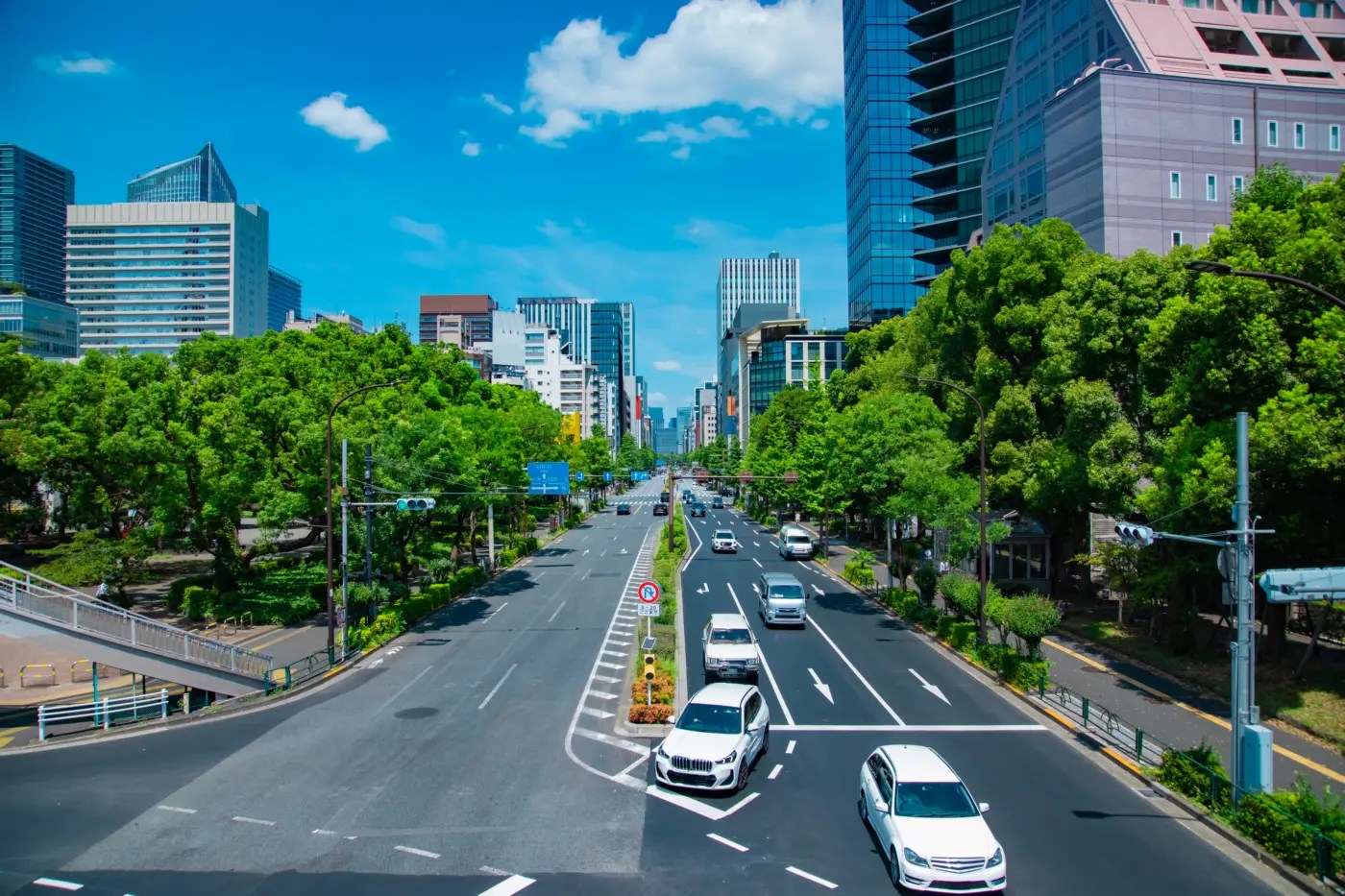
Street in Tokyo
Day 1: Tokyo’s Edge, Then Out Into Space – Tokyo to Hakone and the Fuji Foothills
I picked the car up near Haneda Airport and eased into the morning traffic like I was joining a quiet parade. Tokyo is not the place where you learn to drive confidently – it’s the place where you learn to drive patiently. Lanes split, signs stack on top of each other, and your instinct is to grip the wheel like it’s a lifeboat.
I gave myself one city moment before escaping. Not a whole day, just a sharp sip of Tokyo. I headed toward TOKYO SKYTREE, mostly because I wanted to see the city from above and remind myself how far I was about to travel, even if it was only a few hundred kilometers. From up there, Tokyo looked endless, like someone poured buildings all the way to the horizon and forgot to stop.

Tokyo Skytree
Then I did the thing that makes a road trip feel official: I left. Expressways carried me away from the city’s bright intensity, and the scenery began to loosen – more sky, more hills, fewer high-rises. Hakone was my first real “Japan is Japan” moment of the week: sharp mountain air, winding roads, and that feeling that the country is quietly showing off, without making a fuss about it.
I spent the afternoon drifting between viewpoints and small stops, letting the day breathe. By the time I reached the Fuji area, the light had softened and the roads felt calmer. I checked into a simple place with parking included (a small victory), opened the window, and listened to the nighttime quiet like it was a song I didn’t know I needed.
Day 2: Fuji Five Lakes – The Kind of Beauty That Makes You Speak Softer
Morning near Fuji has a particular clarity, like the world has been rinsed. I drove toward Lake Kawaguchi with a coffee in the cup holder and a sense of cautious hope – because Fuji is famous for hiding. You show up, it shrugs behind clouds, and you pretend you didn’t come just for that one iconic view.

Lake Kawaguchi-ko
This time, I got lucky. The mountain appeared in full shape, calm and slightly unreal, like it had been placed there on purpose. I parked, walked along the lake, and watched people do the same quiet ritual: look, smile, take a photo, then look again without the phone. It felt almost polite to keep your voice down.
Driving around the lakes was easy, but I learned quickly that “easy” doesn’t mean “fast.” Roads near popular spots can clog up, and parking lots can fill up in the blink of an eye. I stopped caring. I’d rather be ten minutes late than spend the day tense, and anyway, the whole point was to be here, not to conquer a timetable.
If a road looks like it was designed for speed, Japan will still give you reasons to slow down – toll gates, tight merges, scenic pull-offs, and the occasional surprise queue. Build extra time into your day and you’ll feel like you’re floating instead of scrambling.

Mount Fuji seen from Lake Saiko
By mid-afternoon, I pointed the car toward Matsumoto. The drive shifted from postcard views to practical travel, and I settled into the rhythm: drive, stop, stretch, snack, drive again. Somewhere along the way I realized I was smiling for no reason. That’s usually how I know a trip is working.
Day 3: Matsumoto – A Castle, A Breeze, and Streets That Feel Lived-In
Matsumoto felt like a reset button. After the dramatic Fuji scenery, the city’s charm was quieter – more about texture than spectacle. I arrived, parked, and wandered with no agenda except to find something warm to eat and maybe a good view.

Matsumoto Castle
The castle was the obvious anchor point, and yes, it deserved the attention. Dark wood, clean lines, and a sense of sturdy history that doesn’t need neon lights to prove itself. Inside, the staircases were steep enough to make you respect people from centuries ago. I took my time, partly because it’s interesting, partly because I didn’t want to tumble down like a poorly packed suitcase.
Later, I found myself in small side streets where everyday life was happening: kids heading home, shop owners sweeping the sidewalk, someone watering a plant like it was a serious responsibility. It’s the kind of scene that makes you feel like a guest, not a consumer.
That evening I ate something simple and deeply satisfying – noodles, broth, and the feeling that I didn’t need entertainment. When I went back to my room, my legs had that good tiredness that means I actually used the day, not just passed through it.
Day 4: The Japanese Alps – Takayama and the Roads I Didn’t Want to End
The drive toward Takayama was one of my favorites of the whole week. Mountains rose, valleys opened, and the air seemed to change every time I rounded a bend. It’s the kind of route where you keep thinking, “Just one more viewpoint,” and suddenly you’ve stopped five times in an hour.
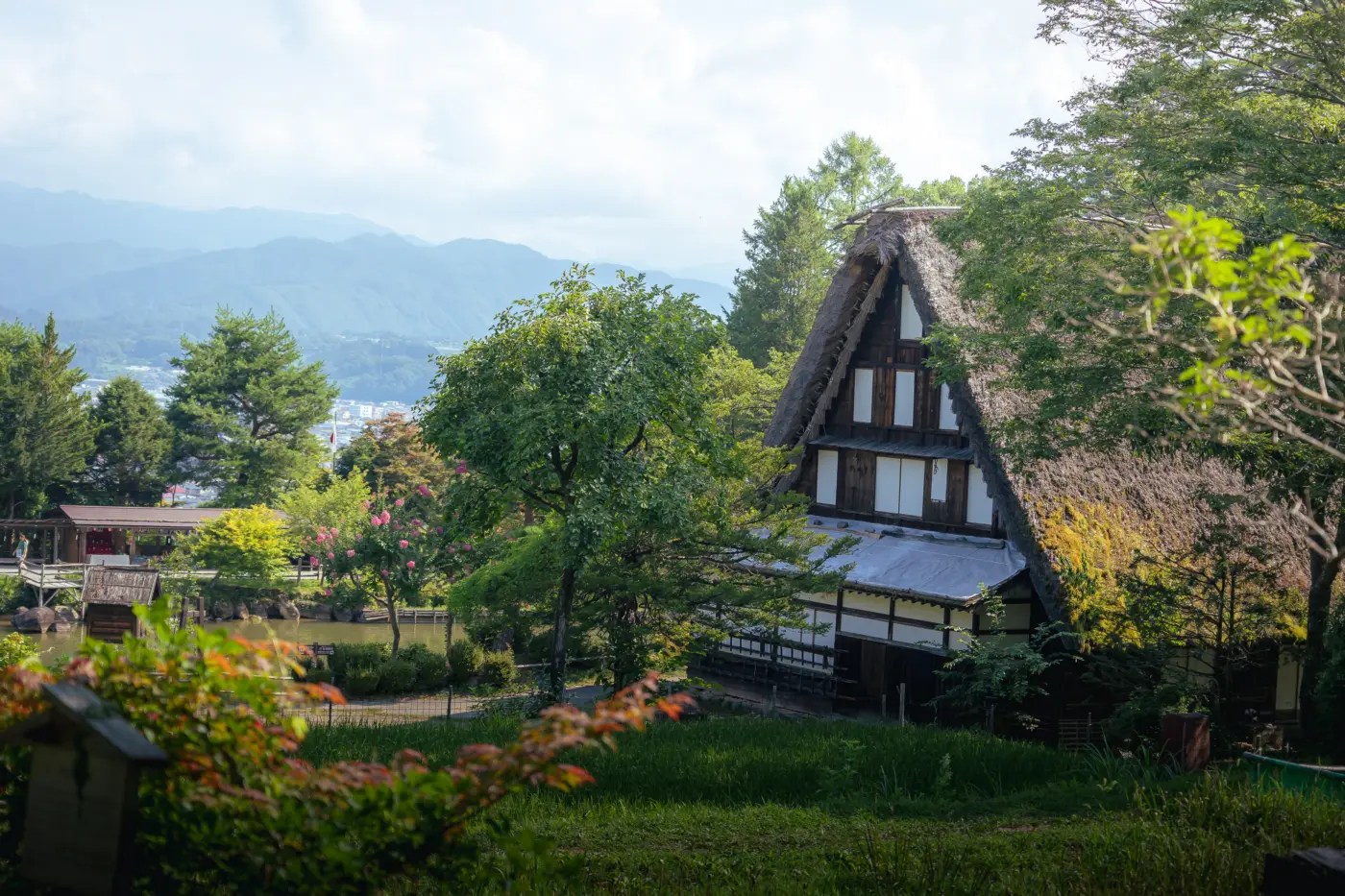
Japanese village Hida no Sato, Hida Takayama
Takayama itself had that old-town atmosphere without feeling like a theme park. Wooden facades, small breweries, quiet corners where the day moved at a human pace. I tried local snacks, browsed little shops, and let myself be slightly aimless, which is honestly my best travel skill.
I also learned a practical truth: parking is a relationship. You negotiate, you compromise, and sometimes you accept that you’ll walk an extra ten minutes and call it exercise. The parking lot was small, and, somehow, I fit. I celebrated by buying a sweet drink from a vending machine like it was champagne.
At night, Takayama was gentle. I heard more footsteps than engines. I slept like someone who had been outside all day, which I guess I had.
Day 5: Kanazawa – Gardens, Gold Leaf, and a Haiku Mood
Kanazawa felt elegant in a way that didn’t try too hard. The city has art, history, and food, but it’s not screaming about it. It’s more like it’s offering you a seat and a cup of tea and letting you discover the details yourself.
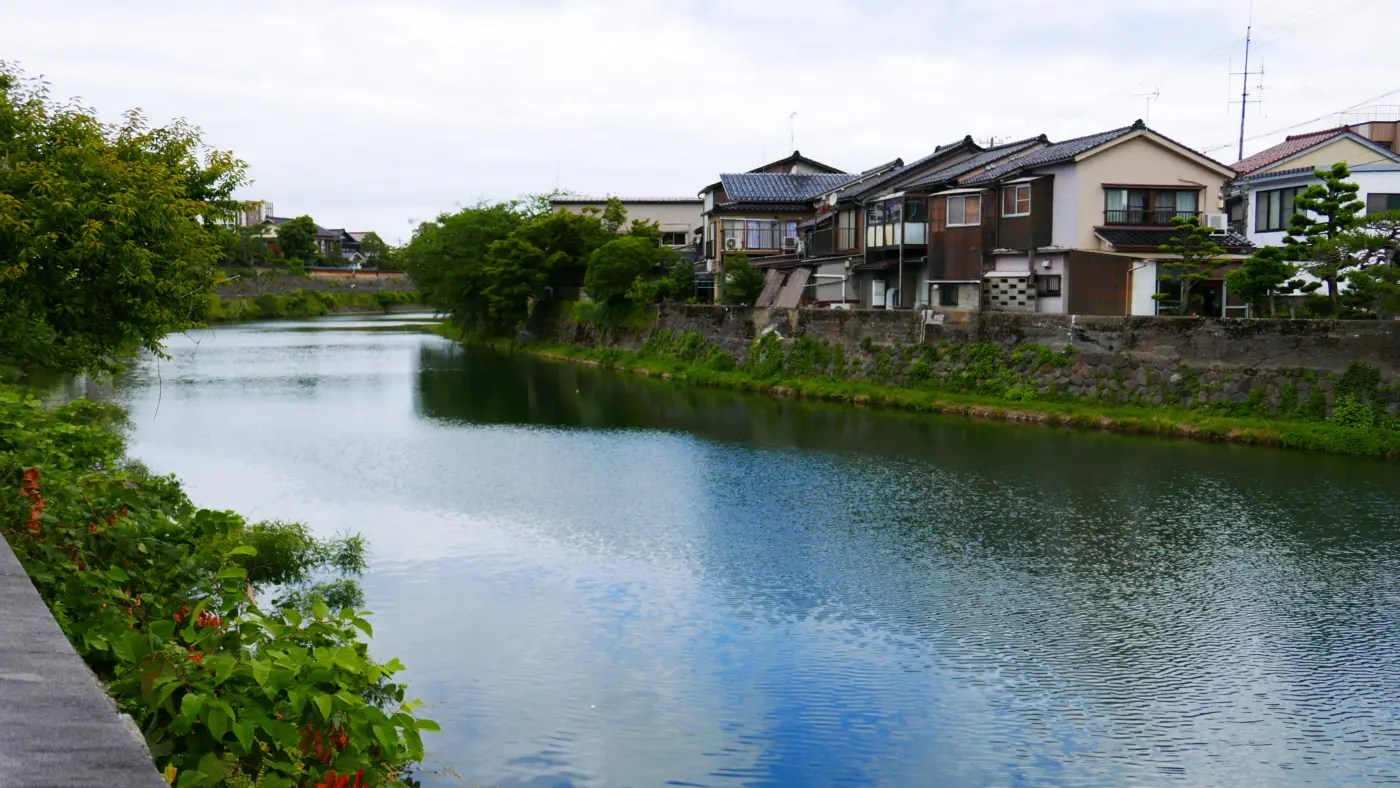
The Old Town of Kanazawa
I spent part of the day in gardens and quiet paths, letting my brain slow down. There’s a reason poets loved places like this. I kept thinking about Matsuo Bashō and how travel for him wasn’t about collecting sights, it was about noticing – the sound of water, the shape of a stone, the pause between moments.
I ate beautifully without needing anything fancy: fresh seafood, rice that tasted like it mattered, and a dessert that looked too pretty to touch. I also did the small, boring tasks that keep a road trip smooth: refueled, checked my route, and made sure I didn’t leave my sunglasses in a café again. It’s always the small stuff that trips you up.
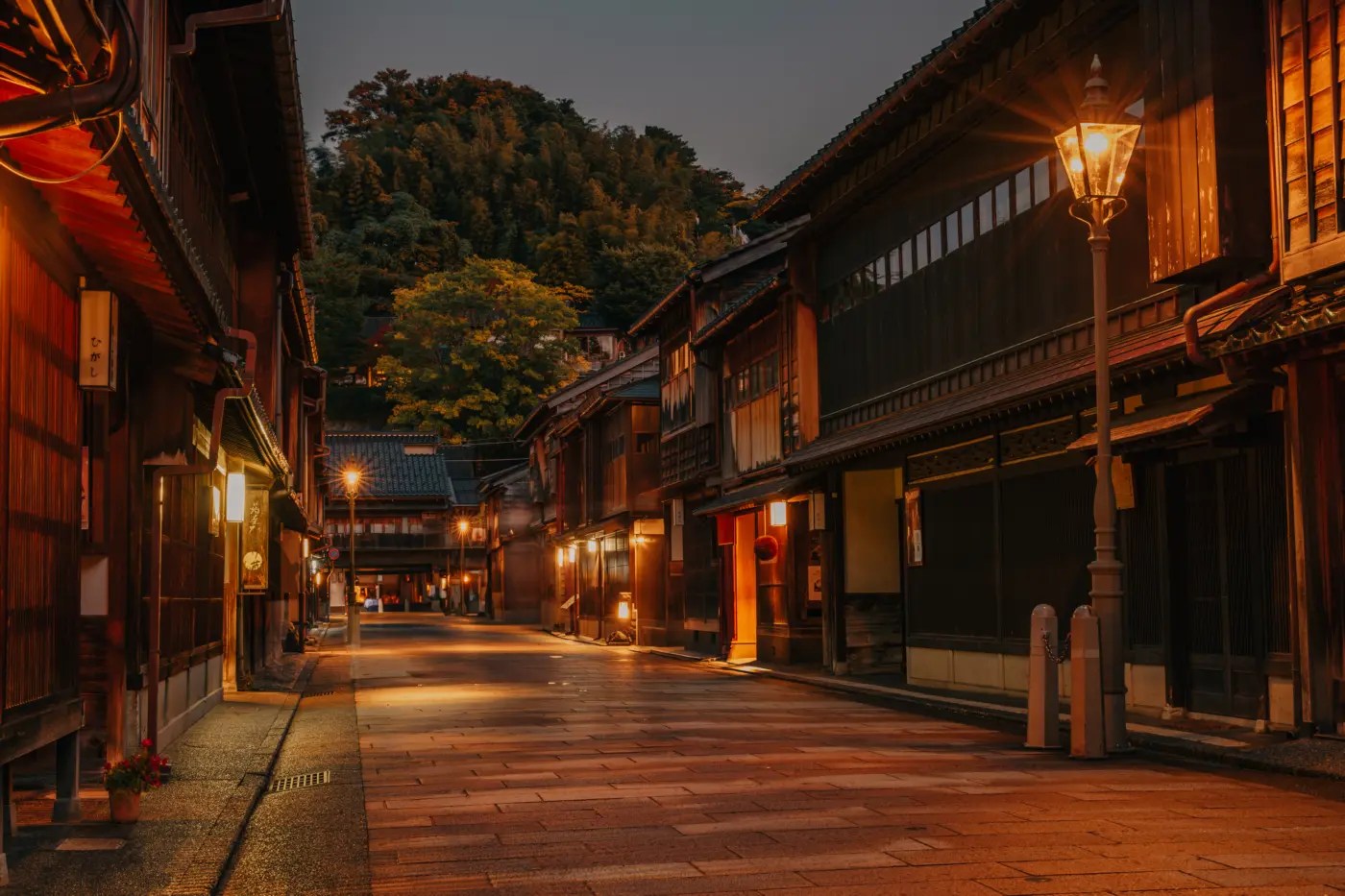
Higashiyama Chaya District in Kanazawa
By late afternoon, I started the drive toward Kyoto. The road felt like a bridge between two versions of Japan: the calm artistry of Kanazawa and the layered intensity of Kyoto, where every street corner seems to whisper “history” at you.
Day 6: Kyoto to Nara to Osaka – From Sacred to Street Food
Kyoto in the morning can feel like a secret – if you catch it before the crowds fully wake up. I moved through a few quiet areas, enjoying that soft light on temple roofs and the way the city holds beauty in everyday corners. When the light changed I went, because the day was calling and I had places to reach.
Then I drove to Nara for a dose of calm and a slightly surreal encounter with deer that have absolutely no interest in your personal space. It was charming, and also a reminder that animals in tourist areas learn quickly who has snacks. I laughed more than I expected, mostly at myself.

Guided tour Buddhist temple in Kyoto

Osaka
By afternoon, Osaka pulled me in like a magnetic field. Louder, brighter, more playful. I booked a city overview through Mycitytrip.net, because I wanted a guided reset – someone to point out the things I would otherwise drive past while thinking about parking meters.
Osaka also did what Osaka does: it fed me. Not in a delicate, ceremonial way – in a “you are walking, therefore you should be eating” way. I wandered and tried whatever looked good, telling myself I’d balance it out tomorrow (a lie I tell on every trip).
- Takoyaki: Hot, messy, worth it – just don’t pretend you’re immune to the lava inside.
- Okonomiyaki: Comfort food disguised as a pancake, and somehow it works.
- Kushikatsu: Fried skewers that make you feel like a kid at a fair.
- Late-night ramen: The kind that tastes better because you’re slightly tired and very happy.
After dinner I walked through Dotonbori and let the lights do their thing. Neon reflections on water, crowds flowing like a river, and that feeling you get in certain cities where everyone seems to be out at the same time, right ? I took a slow lap, bought something sweet, and watched the scene like it was a movie I didn’t need subtitles for.
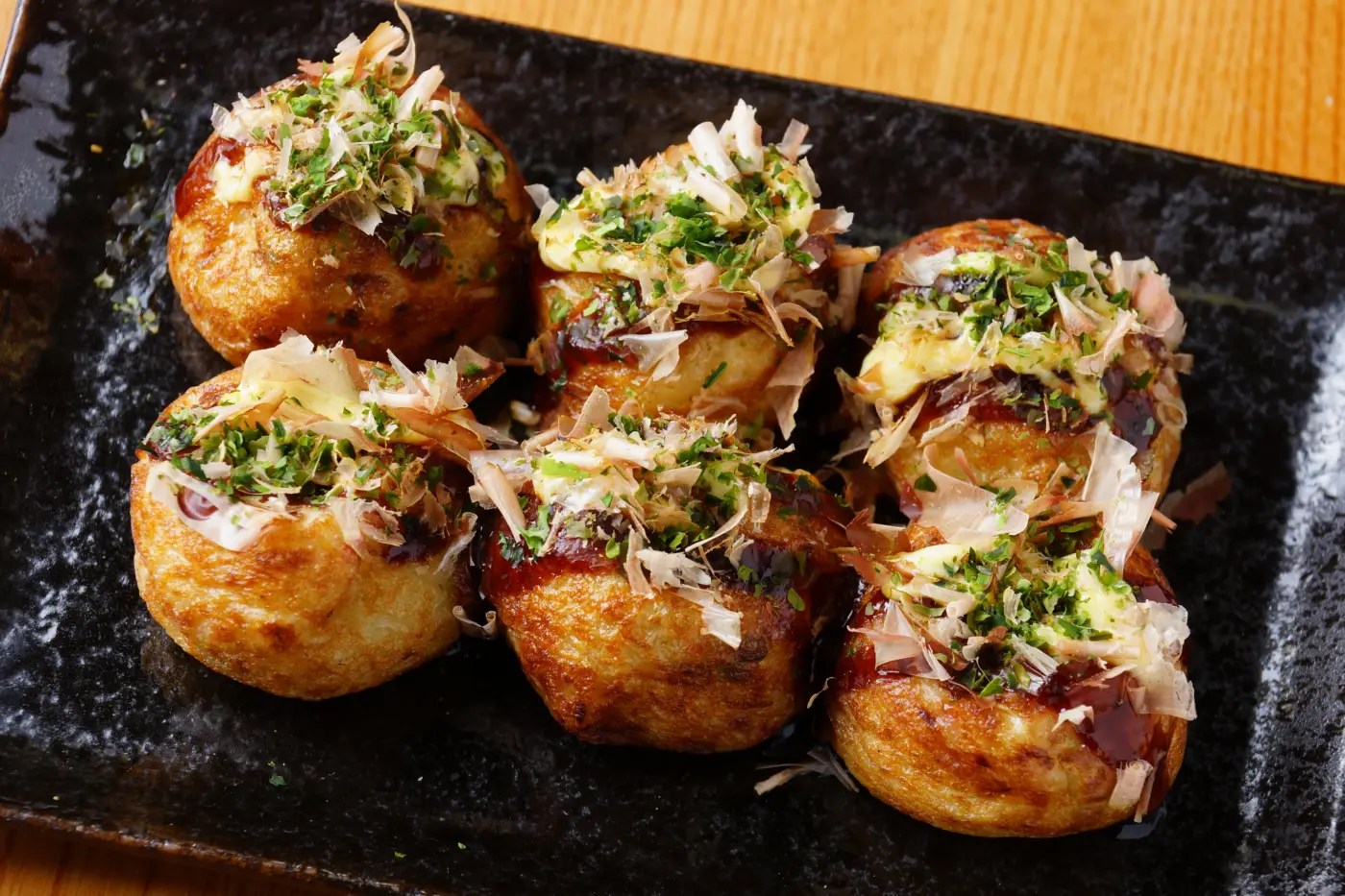
Takoyaki
Day 7: A Final Drive – One More Window of Japan Before the Drop-Off
On the last day, I did something that always feels right at the end of a trip: I drove without a big plan. A short route, a few stops, space for the unexpected. I didn’t want to spend the day rushing back to the airport with that tight feeling in my chest, so I left earlier than I needed to and gave myself permission to waste time in a good way.
I stopped at a quiet rest area, bought a canned coffee, and sat in the car for a minute just listening to the hum of other travelers passing through. There’s something comforting about rest stops – everyone is in-between, everyone has somewhere to be, and nobody is pretending otherwise.
When it was time to return the car, I felt that mild sadness you get when something becomes familiar faster than expected. I’d learned the rhythms: how fast people merge, where to look for parking signs, how to read the road’s mood. It’s funny how a car becomes part of your travel memory – the music you played, the snacks you spilled, the tiny rituals of starting the engine each morning.

I handed the keys back and thanked the staff in my best polite attempt. My bag felt lighter than it should, like I’d somehow packed less on the way out than on the way in. Maybe that’s what travel does – it takes up space, then it leaves you with a kind of clean quiet.









 the travelearn